
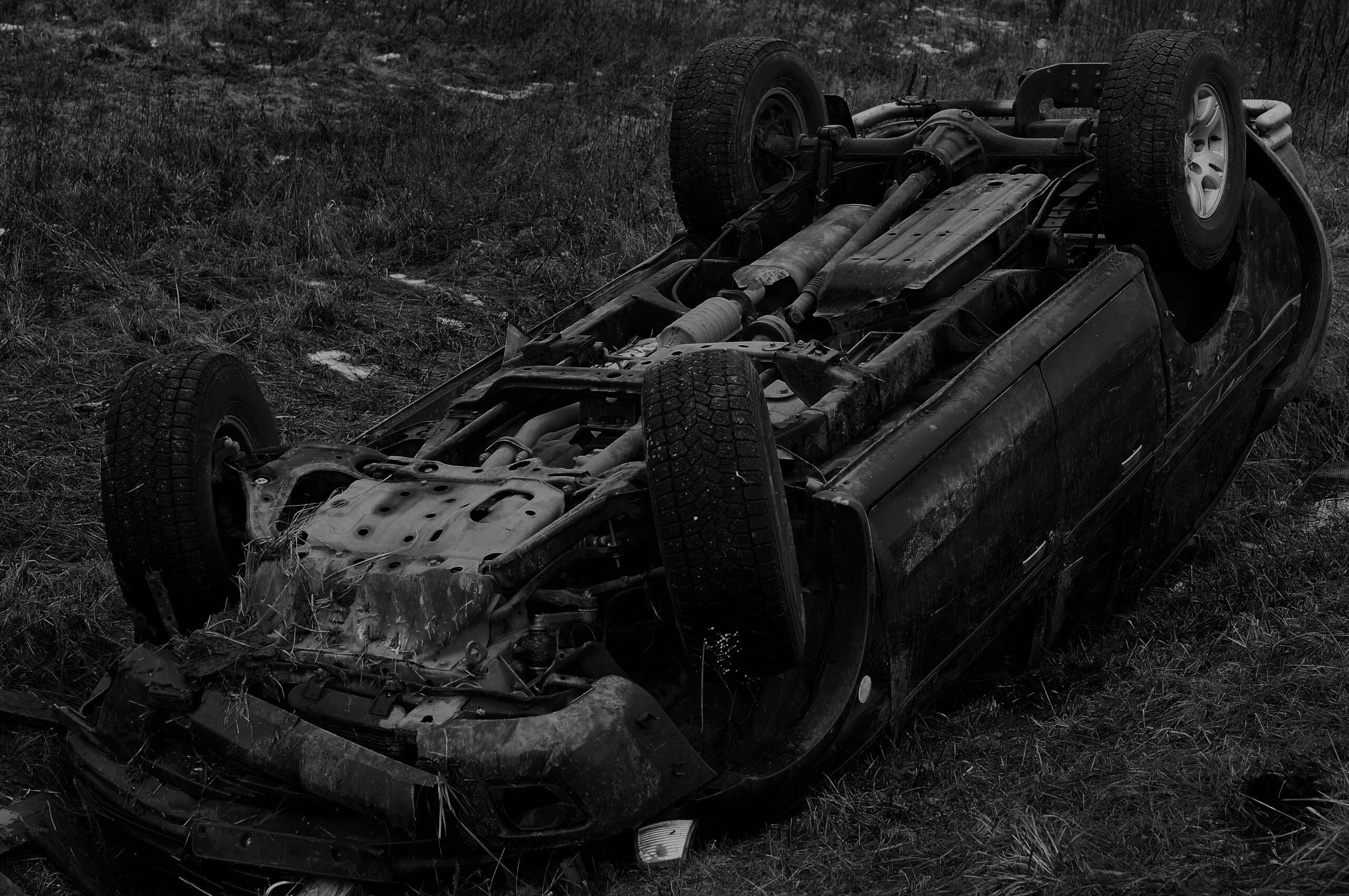

 If you or a loved one were injured or killed in a rollover accident,


When is a Vehicle Defective in Vermont Rollover Accidents?
Vermont’s combination of rural roads, mountain terrain, and severe winters creates unique demands on vehicle safety systems. Under Vermont product liability law, manufacturers can be held responsible when their vehicles are unreasonably dangerous for use in foreseeable conditions—and Vermont’s challenging driving environment is well-known to automakers. Several vehicle defects frequently contribute to rollover accidents or worsen their consequences in Vermont:
- Inadequate Cold-Weather Stability Systems: Electronic stability control (ESC) systems must function properly in extreme cold to prevent rollovers. Some vehicle systems are inadequately tested or designed for Vermont’s winter temperatures, which can regularly drop below -20°F in many parts of the state. These systems may respond too slowly or fail completely in the extreme cold, contributing to loss of control and subsequent rollovers. Manufacturers who market their vehicles for Vermont’s climate must ensure these critical safety systems function reliably across the full temperature range experienced in the state.
- Roof Structures Insufficient for Vermont Conditions: Vehicle roofs must withstand the forces involved in rollovers, including the unique forces present when a vehicle slides off a slippery Vermont road before rolling. Some vehicles lack adequate roof reinforcement or have designs that concentrate force in ways that increase collapse risk. The problem is compounded by Vermont’s rural nature, where emergency response times may be extended, particularly during winter storms. Stronger roof structures are essential for protecting occupants during these potentially prolonged entrapment scenarios.
- Defective Winter-Rated Tires: Many rollover accidents in Vermont begin with loss of traction. Some tire designs marketed as “all-season” or “winter-rated” fail to provide adequate grip on Vermont’s icy roads or rapidly changing conditions. Tire failures—whether due to tread separation, blowouts, or simply inadequate design for winter conditions—can trigger rollovers, particularly on Vermont’s many curved rural roads where recovery space is limited. Manufacturers marketing tires for Vermont’s climate must ensure their products maintain integrity and performance in the state’s challenging conditions.
- Defective 4WD and AWD Systems: Many Vermont residents purchase vehicles with four-wheel drive or all-wheel drive specifically for winter driving. When these systems malfunction or are improperly designed, they can create dangerous handling characteristics that lead to rollovers, particularly when transitioning between surface types (such as from cleared pavement to snow). Some systems create a false sense of security while actually increasing rollover risk during certain maneuvers common on Vermont roads.
- Suspension Systems Inadequate for Rural Roads: Many of Vermont’s secondary and town roads remain unpaved, and even paved roads often develop significant frost heaves and potholes during the spring thaw. Vehicles need robust suspension systems to maintain stability on these irregular surfaces. Some vehicles with suspension designs that perform adequately on smooth highways may become dangerously unstable on Vermont’s rural roads, particularly when traveling at normal speeds. Manufacturers must design suspension components that can withstand these challenging conditions without compromising vehicle stability.
Vermont’s consumer protection laws provide strong remedies for individuals harmed by defective products, including motor vehicles. Our attorneys understand how to effectively apply these laws to hold manufacturers accountable for vehicles that fail to perform safely in Vermont’s unique driving environment.
Our Attorneys Have Successfully Litigated Rollover Cases Involving:
- Ford Explorers on rural Vermont highways
- Jeep models during winter driving conditions
- Chevrolet and GMC trucks on unpaved Vermont roads
- Toyota SUVs during mountain driving
- Subaru vehicles with stability system failures (popular in Vermont)
- Ford F-Series trucks used for rural work and transportation
- Passenger vans used for Vermont tourism and ski resort shuttles
- Vehicles with tire failures on winter roads
If a rollover in Vermont left you seriously hurt, talk with our auto defect lawyers about whether the vehicle should have protected you better. Reach out to our personal injury lawyers when you’re ready.
Common Rollover Injuries in Vermont’s Unique Environment
Rollover accidents in Vermont often result in particularly severe injuries due to the state’s rural nature and challenging terrain. When vehicles roll on remote roads or during winter conditions, timely emergency response may be delayed, compounding injury severity. Common injuries in Vermont rollover accidents include:
- Traumatic brain injuries: Often caused by roof collapse or impact with the vehicle interior during a rollover
- Spinal cord injuries and paralysis: Frequently resulting from roof crush or ejection during rural road rollovers
- Cold exposure injuries: Unique to Vermont winter rollovers where victims may be trapped in damaged vehicles in sub-freezing temperatures
- Multiple fractures and orthopedic trauma: Common in high-energy rollovers on mountain roads
- Internal injuries: Often life-threatening, especially when emergency medical care is delayed by Vermont’s rural geography
These injuries frequently require specialized medical care, sometimes necessitating transport to medical centers in Burlington, Dartmouth-Hitchcock in New Hampshire, or even Albany or Boston for the most severe cases. The combination of serious injuries and Vermont’s dispersed medical resources means rollover victims often face substantial medical expenses and long recovery periods.
Talk to a Vermont Rollover Accident Attorney Today
If you or a family member has been injured in a rollover accident in Vermont, prompt legal evaluation is essential. Critical evidence about vehicle defects must be preserved quickly, especially in cases involving winter driving conditions where the crash scene may be altered by continuing snowfall or road clearing operations.
Our attorneys provide free case evaluations to determine whether vehicle defects contributed to your accident and injuries. We understand Vermont’s unique driving challenges and can identify the vehicle design and manufacturing issues most likely to cause rollovers in the state’s distinctive environment.
Our legal team also handles product liability cases against automotive manufacturers whose vehicles fail to protect occupants during rollovers on Vermont roads.
If you or someone you know has suffered injuries in a rollover crash, call our Vermont rollover accident lawyers at (281) 801-5617. We will investigate the accident and help you recover fair compensation for your injuries.